2026-10-26 · Steve Larson
Planning A Spring Cleanup Dumpster Rental In Madison
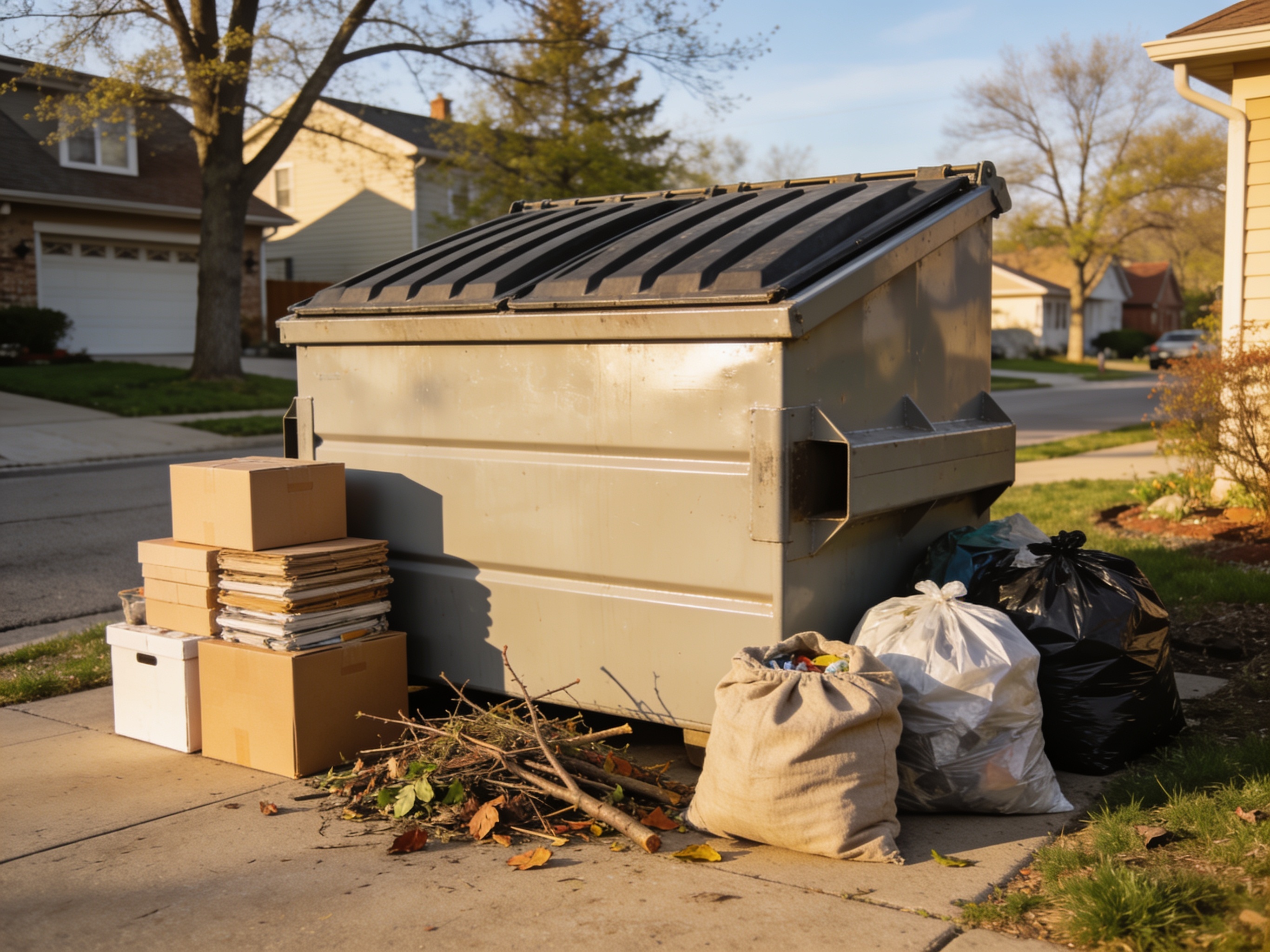
Planning a spring cleanup dumpster rental in Madison begins with matching container size to your accumulated winter debris volume, often calling for a 10-20 yard unit delivered to properties across the Isthmus or East Side after the last snowmelt. This approach accounts for the area's humid continental climate where heavy spring rains quickly saturate soil and turn driveways soft, affecting truck access in older housing stock built before 1950. Residents in Downtown or Shorewood Hills commonly clear branches, leaves, and minor renovation scraps that accumulated under snow cover, making early assessment essential before booking.
Evaluating Debris Types and Volumes
Spring projects in Madison frequently involve clearing storm-damaged limbs and thatch from lawns once temperatures rise above freezing. Properties on the West Side or in Maple Bluff often generate mixed loads of yard waste plus small construction scraps from basement waterproofing work needed after winter thaws. Estimating volume starts by measuring pile dimensions in cubic yards rather than guessing, since overloaded containers cannot be hauled. Wet conditions from April rains add weight quickly, so separating heavy items like wet soil or concrete chunks prevents surcharges. Homeowners near the University of Wisconsin-Madison campus also manage extra cardboard and furniture discards during student move-outs that coincide with cleanup season.
Selecting Container Sizes for Spring Projects
A 10-yard container suits most single-home residential cleanups in Fitchburg or Monona where space is limited, while 15- or 20-yard units handle larger East Side lots with mature trees shedding branches. Placement must respect the 10-foot clearance needed for roll-off doors and avoid low-hanging wires common on older streets near the Wisconsin State Capitol. Residential Dumpster Rental options allow flexible scheduling around typical 8am-6pm weekday windows, with Saturday morning slots available until 2pm. Choosing the correct size upfront avoids multiple hauls that increase costs when spring weather windows close quickly due to incoming humidity.
Coordinating Delivery Amid Spring Weather Patterns
Madison's transition from snowy winters to warm humid summers means scheduling deliveries after ground firms but before frequent thunderstorms. Delivery crews watch for soft spots near Monona Terrace or Olbrich Botanical Gardens where clay-heavy soils retain moisture longer. Early morning drops work best in neighborhoods like Maple Bluff to finish before afternoon humidity builds. Checking the forecast for 48 hours ahead prevents trucks from getting stuck on unpaved approaches common in West Side alleys. Local operators track these patterns daily and adjust routes accordingly rather than relying on generic calendars.
Navigating Placement Rules in Dane County Neighborhoods
Dane County ordinances require dumpsters to sit on private property or permitted street locations with proper reflective markings, especially in dense areas like the Isthmus. Checking with city permitting offices prevents fines when placing units near Henry Vilas Zoo or along busy corridors in Sun Prairie and Verona. Madison Rules For Disposing Of Construction Debris outlines acceptable materials and prohibited items that change seasonally. Dumpster Rental providers familiar with these neighborhoods confirm site photos before arrival to ensure compliance. Residential Dumpster Rental customers on the West Side often need extra planning for narrow driveways that limit larger containers.